A wedding in Vietnam ticks all the boxes for UK couples: stunning landscapes, vibrant culture, and often more budget-friendly options than many European destinations. And who can resist the idea of combining a wedding and honeymoon in one unforgettable trip?
However, before you dive into the fun of planning your dream wedding abroad, you’ll need to take care of the legal side of things.
How do you make sure you’re not just running off into the sunset, and that your marriage is officially recognised by the authorities?

Option 1: Have your official legal ceremony at home
We generally recommend getting legally married in the UK before travelling, as it’s often much simpler than navigating the legal process overseas.
Many couples choose to complete a civil ceremony at their local register office before their destination wedding. Once the legal paperwork is taken care of, you’re free to enjoy the celebration abroad without worrying about bureaucracy.
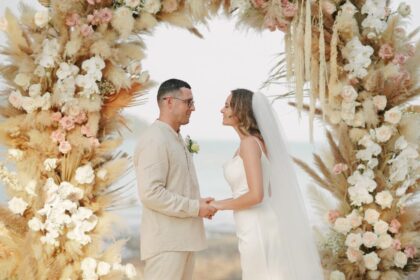
You can still have a symbolic ceremony in Vietnam, exchange vows, and celebrate with family and friends in those beautiful beachfront settings Vietnam is famous for.
For many couples, this option allows them to relax and fully enjoy the experience once they arrive at their destination.
Option 2: Legally marry in Vietnam with careful planning
It is possible for UK citizens to legally marry in Vietnam, but it does require additional planning and documentation.
You’ll need to prepare important paperwork, have certain documents translated into Vietnamese, and submit your application through local authorities in Vietnam.
If you decide to pursue this route, it’s essential to check the latest guidance from the UK government and the British Embassy in Vietnam before making arrangements, as requirements can change.
How to get legally married in Vietnam as a foreigner
This article is intended as a general guide and should not be considered legal advice. Before travelling to Vietnam, you should familiarise yourself with the latest legal requirements for marriage there.
Step 1: Check the latest legal requirements
Foreigners can legally marry in Vietnam, provided they meet the conditions set out under Vietnamese marriage and family law.
In most cases, at least one partner must be residing in Vietnam, either temporarily or permanently, to register the marriage locally.
Both partners must also meet the following requirements:
-
Meet the minimum legal marriage age (18 for both men and women)
-
Be legally single, divorced, or widowed
-
Be mentally capable of consenting to marriage
-
Enter the marriage voluntarily without coercion
Marriage registrations are typically processed through the Department of Justice or local People’s Committee in the province where the application is lodged.
Step 2: Gather the required documents
To apply for marriage in Vietnam, you’ll typically need the following documents:
Certificate of No Impediment (CNI)
UK citizens must provide evidence they are free to marry. This may be issued by the British Embassy in Vietnam or by UK authorities, depending on the process required at the time.
Both partners may need to provide:
-
A valid UK passport
-
A birth certificate
-
Proof of marital status (single, divorced, or widowed)
If applicable:
-
Divorce decree absolute (if previously married)
-
Death certificate of a former spouse (if widowed)
Additional documents may include:
-
A Marriage Registration Application (available through the Department of Justice or local government portal)
-
Certified copies of both partners’ birth certificates
-
Certified copies of both partners’ passports
-
Identification documents for two witnesses
-
A medical certificate confirming both partners are mentally capable of consenting to marriage
-
Proof of residency in Vietnam if applicable
Step 3: Translate and authenticate documents
All foreign documents must be:
-
Translated into Vietnamese
-
Notarised or certified
-
In some cases, legalised by the appropriate authorities
This step ensures the documents are accepted by Vietnamese government offices.
Step 4: Submit documents to local authorities
Once all paperwork is prepared, the documents must be submitted to the relevant civil status registry office, typically located at the People’s Committee or Department of Justice in the province where the marriage will be registered.
Processing times usually take around 10 working days, though this may vary depending on local procedures.
Step 5: Document review and interview process
The local authority will review the submitted documents.
In some cases, both partners may be asked to attend an interview to confirm that:
-
All legal requirements have been met
-
The marriage is voluntary
-
Both partners understand the process
If neither partner speaks Vietnamese, an interpreter may be required.
Step 6: Attend your civil marriage ceremony
Once your application has been approved, you’ll receive an appointment for your civil marriage registration ceremony.
The ceremony is typically held at the local registry office. Both partners will sign the marriage certificate in front of an official and two witnesses, making the marriage legally recognised in Vietnam.
You will then receive an official Vietnamese marriage certificate, which can be used for legal purposes.
Step 7: Celebrate your destination wedding
With the legal paperwork complete, it’s time to focus on celebrating your wedding in Vietnam.
From the pristine beaches of Phu Quoc Island to the lantern-lit streets of Hoi An, Vietnam offers countless breathtaking backdrops for a destination ceremony and reception.
Whether you’re planning a beachfront celebration, a luxury resort wedding, or an intimate cultural experience, Vietnam offers unforgettable options for couples and their guests.
Vietnamese wedding traditions
If you’d like to incorporate local culture into your wedding, there are many traditions you can explore.
Engagement ceremony (Lễ Ăn Hỏi)
The engagement ceremony is an important pre-wedding tradition where the groom’s family presents gifts to the bride’s family as a formal request for marriage.
Traditional attire
Many couples choose to include traditional clothing in their celebrations. Brides may wear the elegant áo dài, a traditional Vietnamese dress, while grooms may wear either a suit or traditional attire.
Religious ceremonies
Vietnam is largely secular but home to a diverse range of religious communities, including Buddhists, Catholics, and other faiths.
Some couples choose to hold a religious blessing or ceremony alongside their official civil marriage registration.
Changing your surname after marriage
After marriage, you may decide to take your partner’s surname.
UK citizens who wish to change their name will usually do so by updating their passport and official records in the UK, using their marriage certificate as supporting documentation.
Plan your Vietnam destination wedding with Easy Weddings
Planning a destination wedding doesn’t have to be stressful.
With over 25 years of experience in the wedding industry, Easy Weddings offers expert guidance and access to venues, suppliers, and trusted vendors both in Australia and around the world.
Whether you’re dreaming of a beach ceremony in Phu Quoc or a romantic celebration in Hoi An, our team can help you bring your Vietnam wedding to life.




 What’s the perfect location for your destination wedding in Fiji?
  How do you get legally married at a Fiji destination wedding?
  Fiji destination wedding itinerary ideas
  How do you get legally married in Thailand for a destination wedding?