This article is not intended to be read as legal advice. Before you head to Italy, we recommend you familiarise yourself with the legal requirements for marrying there.
It’s no wonder Italy is one of the most popular wedding destinations in the world. Rolling Tuscan hills, dramatic Amalfi Coast cliffs, historic villas, lakes, vineyards, and centuries-old architecture create an unforgettable setting for a wedding celebration with your favourite people.
For UK couples wanting to get legally married in Italy, the good news is this: it’s absolutely possible. That said, there’s still official paperwork involved, and understanding it early will save you stress later.
Before packing your bags, it’s worth deciding whether to do the legal marriage in Italy or handle the legal ceremony in the UK and have a symbolic celebration overseas. Many couples choose to complete the legal side at home for simplicity, but if making it official in Italy is important to you, here’s what you need to know.
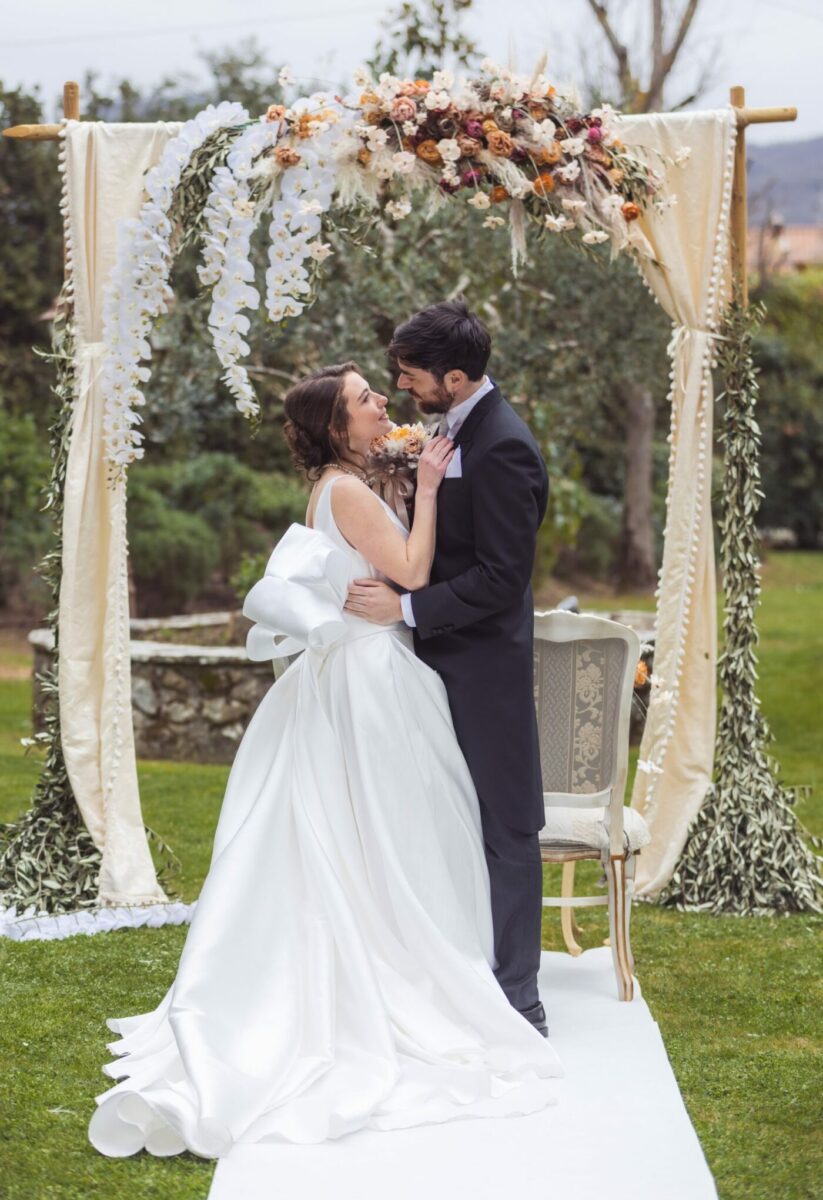
Understanding Italian marriage requirements
As a UK couple, your marriage must comply with Italian law to be valid in Italy, and it will then be recognised in the UK. Unlike some countries, Italy does not require a religious ceremony for a marriage to be legal. A civil ceremony performed by an authorised Italian official at the local town hall (Comune) is all that’s needed for the marriage to be legally binding.
Legal requirements for marriage in Italy
To legally marry in Italy, UK citizens generally need:
-
Valid passports
-
Full birth certificates
-
Divorce decree absolute or death certificate (if previously married)
-
Evidence of any legal name change
-
Certificate of No Impediment (CNI)
-
Atto Notorio (Sworn Declaration)
Certificate of No Impediment (CNI)
UK couples must apply for a Certificate of No Impediment (CNI) through their local register office in the UK before travelling. This document confirms that there is no legal reason you cannot marry.
After applying, your marriage notice is typically displayed publicly for a period (usually 28 days). Once issued, the certificate may need to be legalised with an Apostille stamp and translated into Italian before being accepted by Italian authorities.
Atto Notorio
This is a sworn declaration stating there is no legal reason you cannot marry. It is usually completed in Italy before an Italian authority or sometimes at a British Consulate. It requires four adult witnesses who are not related to you. These witnesses confirm your identity and marital status.
Because requirements can vary between Italian municipalities, many couples work with a planner or local coordinator to manage the process.
Should you marry legally in Italy or in the UK first?
We often recommend couples consider doing the legal ceremony in the UK first, then holding a symbolic wedding ceremony in Italy. This removes language barriers, document timing requirements and administrative appointments, allowing you to focus purely on celebration once you arrive.
That said, if signing the paperwork in Italy is part of the dream, it’s completely achievable with good planning.
Getting legally married in Italy: what you’ll need
Before you leave the UK
-
Gather original documents (passports, birth certificates, divorce papers if applicable)
-
Apply for your Certificate of No Impediment through your local register office
-
Arrange for Apostille certification and official translations into Italian if required
-
Confirm document requirements with your chosen Italian municipality or wedding planner
In Italy
-
Attend your appointment to complete the Atto Notorio
-
Submit all paperwork to the local Comune (town hall)
-
Attend your civil ceremony conducted by the municipality
-
Receive your Italian Marriage Certificate
You may later arrange an official translation of your marriage certificate for UK records.
Witness requirements
-
Four witnesses are required for the Atto Notorio
-
Two witnesses are usually required for the civil ceremony
Maybe some professional help?
Most couples might think to work with a local wedding planner or agency, but luckily our Destination Weddings team specialises in handling all the grunt work for you.
We can help coordinate appointments, translations, communications with the relevant authorities, and ensure deadlines are met — which is a huge relief when navigating another country’s legal system and requirements.
Timelines & deadlines to remember
-
Begin document preparation: 3–4 months before travel
-
Apply for your Certificate of No Impediment well in advance
-
Paperwork approval with the town hall: often required several days before the wedding
-
Some documents have limited validity periods, so timing matters
Weigh the pros and cons of getting legally married in Italy
A legal wedding in Italy adds romance and meaning, but it does involve official processes, appointments, and document precision. Couples who value simplicity often choose to sign at home, while those who want the full Italian experience can absolutely make it happen with preparation.
If the celebration matters more than the paperwork, a symbolic ceremony offers the same beauty without the bureaucracy.
Final thoughts
Getting legally married in Italy as a UK couple is absolutely achievable, but it requires organisation, time, and expert guidance. If you love the romance of an Italian ceremony but want less stress, handling the legal side in the UK first can be a smart move.
Either way, you still get the vineyards, villas, long-table dinners, and unforgettable atmosphere.
Need help planning?
Still taking it all in? We know it’s a lot, but that’s what we’re here for. With years of industry experience, Easy Weddings provides expert advice and exclusive access to venues, vendors, and suppliers both in the UK and overseas.
Our destination weddings team can guide you through legal requirements, paperwork timelines, and venue planning so you can focus on all the fun parts.




 What’s the perfect location for your destination wedding in Fiji?
  How do you get legally married at a Fiji destination wedding?
  Fiji destination wedding itinerary ideas
  How do you get legally married in Thailand for a destination wedding?